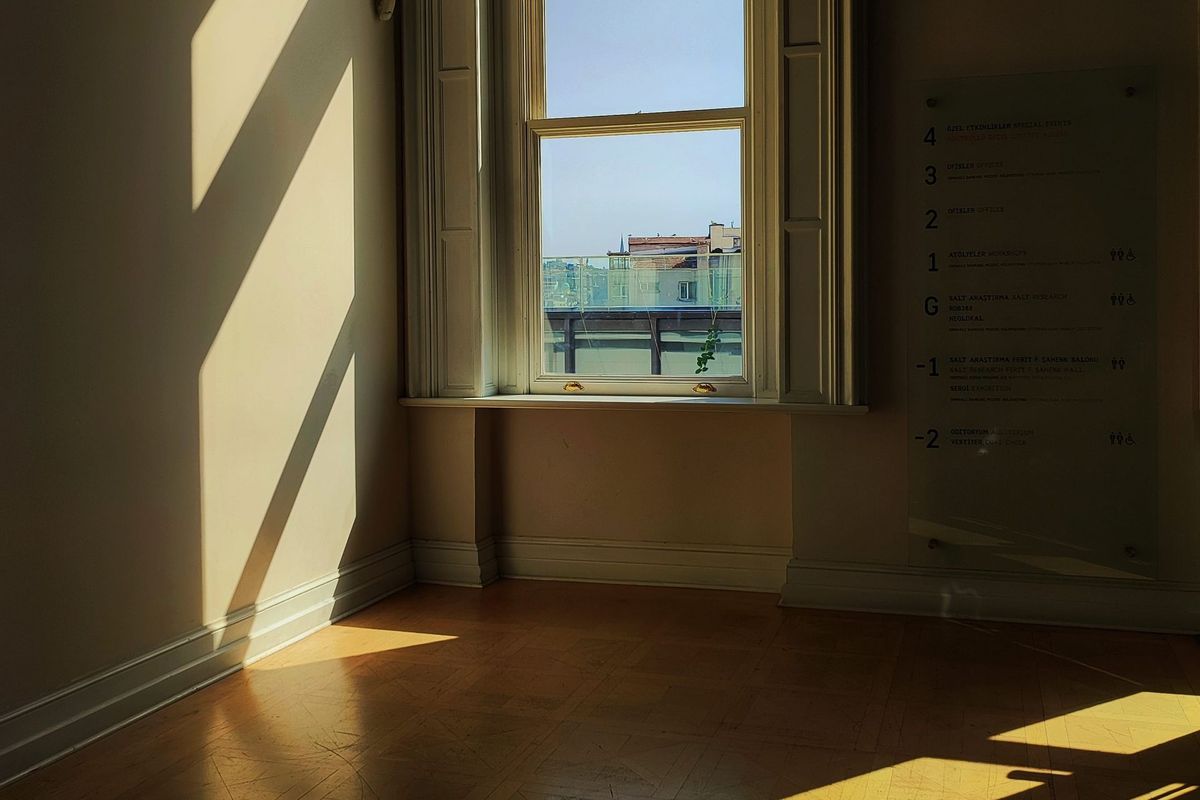
The question I get asked most before a first circle: what do I need to do to prepare? The answer is: nothing. Come as you are.
Why nothing is the real answer
People ask because preparing is what you do for things that might go wrong, and a room full of strangers sounds like one of those.
But there is nothing to get right here. No level, no reading, no sitting position, no previous experience of anything. You do not need to be calm when you arrive. Most people are not.
If you want something practical to hold on to: wear something you can lie down in, eat beforehand if you are the sort of person who gets hungry, and allow yourself longer to get there than you need so you are not arriving at a run.
That is genuinely it. Everything else happens in the room.
The second question: is it weird? Honestly, it depends on your definition of weird. We sit in a circle. There is usually tea. People occasionally cry, in the completely normal and actually helpful way. We sometimes do a short somatic practice. Nothing is required of you.
What the crying thing is about
It is worth saying plainly, because it is the bit people are most quietly worried about.
Nobody is trying to make anybody cry. What happens is simpler than that. When a body stops bracing for the first time in a while, some of what it was holding starts to move, and for a lot of people that arrives as tears before it arrives as anything else.
It is usually brief, it is usually a relief, and nobody in the room treats it as an event. There are tissues. Somebody passes them. That is the extent of the drama.
And if you do not cry, nothing has failed. Plenty of people never do. Falling asleep is far more common and equally fine.
You do not have to share. You do not have to introduce yourself. You can sit at the edge for the entire hour and that is a completely valid way to be there. Nobody will push. Nobody will make you the project.
Nobody will make you the project
That line matters more than any other line in this post, so here is what it means in practice.
No going round the room. No tell us why you came. No hand on your shoulder at the end asking whether you are all right in a voice that makes everybody look.
If something moves in you and you would rather nobody noticed, nobody will act as though they noticed.
The reason is practical rather than polite. A body only lets go when it is sure nothing is going to be asked of it. The moment there is a chance you might have to speak about it, you are managing the room instead of resting in it.
If you're nervous about coming: almost everyone is, the first time. The thing they're most nervous about is always the thing that dissolves first.
What people are usually nervous about
Walking in. That is the big one, and it lasts about 90 seconds.
Not knowing anybody, which stops mattering almost immediately, because nobody is there to network.
Being the only one who does not understand what is happening. There is no prior knowledge to be missing.
Doing it wrong. There is no wrong. Lying down and thinking about your shopping for an hour is a perfectly respectable outcome and more common than anybody admits.
And the quiet one that people rarely say out loud, which is being the person who gets upset in front of strangers. See above. It is the most ordinary thing that happens in the room.
What you might notice afterwards
Most people notice the drive or the walk home first. Slower. Less interested in the radio.
Some people sleep unusually well that night. Some people feel oddly tired the next day, which tends to pass.
A lot of people notice something 2 or 3 days later rather than on the night, usually a small thing like being less reactive to something that would normally get a rise out of them.
And some people feel nothing in particular the first time and come back anyway, which is the group most likely to tell me something changed by the third one.
None of that is a promise. It is just what people tend to report, and it is worth knowing so you are not measuring the hour against the wrong thing.
The practical details
The Returning Circle runs every Tuesday, 2 to 3pm, at The Hare and the Moon in Twickenham. Tickets go on the Hare and the Moon page and you pay what you can afford. See you there.
Pay what you can afford means you choose the amount, and what you choose is nobody's business but yours.
There is breath, there is ceremonial and medicine music, and there is a stretch of time in which nothing is asked of anyone. People lie down or sit in a chair, whichever you want.
It is recorded, and the recording goes out afterwards, so if you cannot be in the room you are not shut out of it.
More like this
What The Returning Circle is, and what it is not.
How to hear about events before they sell out.
Why retreat days are not a luxury, the biological case for group healing.
If you would rather ask something first, email me at anna@annalouoflondon.com or message me on WhatsApp at https://wa.me/447738470156.